Sustainability Without Sacrifice: Rethinking Convenient Eating for Young Professionals
Teresa Michael | Liberty University | Graphic Design M.F.A.
Quick Links
The Problem
The Audience
The primary audience for this research includes educators, designers, policymakers, and developers working in the areas of sustainability, nutrition, and food systems. However, the group that stands to benefit most directly is young professionals themselves—especially those navigating early adulthood, busy lifestyles, and financial limitations while trying to make healthier, more sustainable food choices. Additionally, food delivery platforms, health tech companies, and sustainability advocates may find the insights valuable in designing more human-centered, accessible approaches to behavior change.
Literature Review
The literature review shows that young professionals want to eat sustainably but are blocked by time, decision fatigue, confusing labeling, and the sheer mental load of planning meals. Existing research highlights that behavior change sticks when sustainability feels convenient, personalized, and low-friction—not moralistic or time-intensive. I also found that the most successful food-sustainability apps (Too Good To Go, Misfits Market, Olio, Imperfect Foods) rely on storytelling, visual cues, and habit-forming design to nudge users into better choices.
SustainaBite
SustainaBite

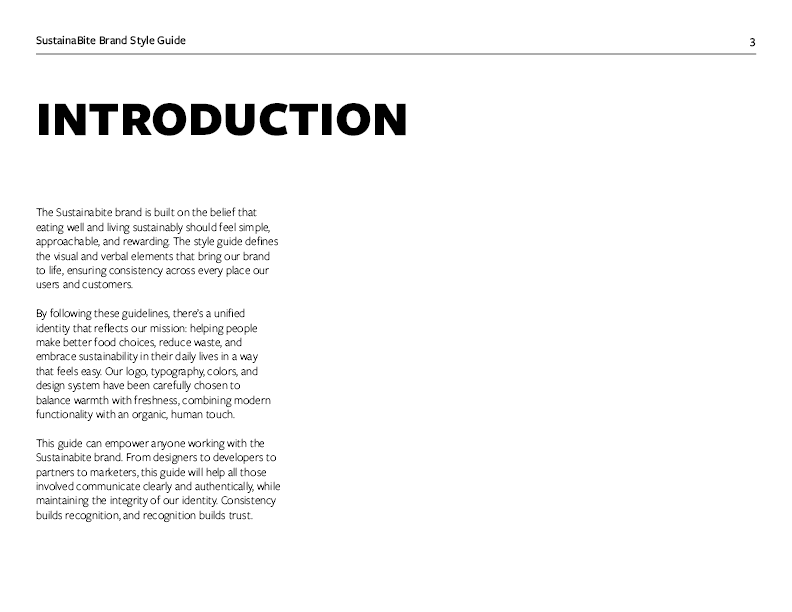
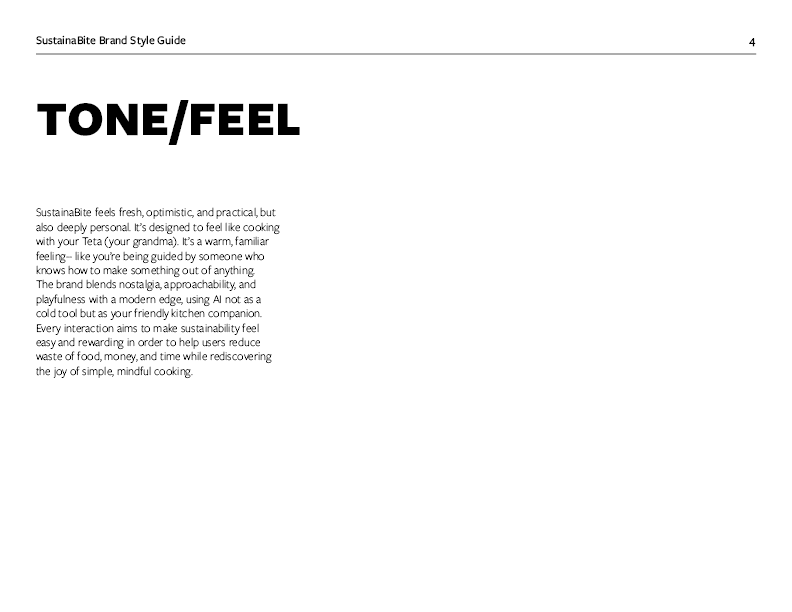
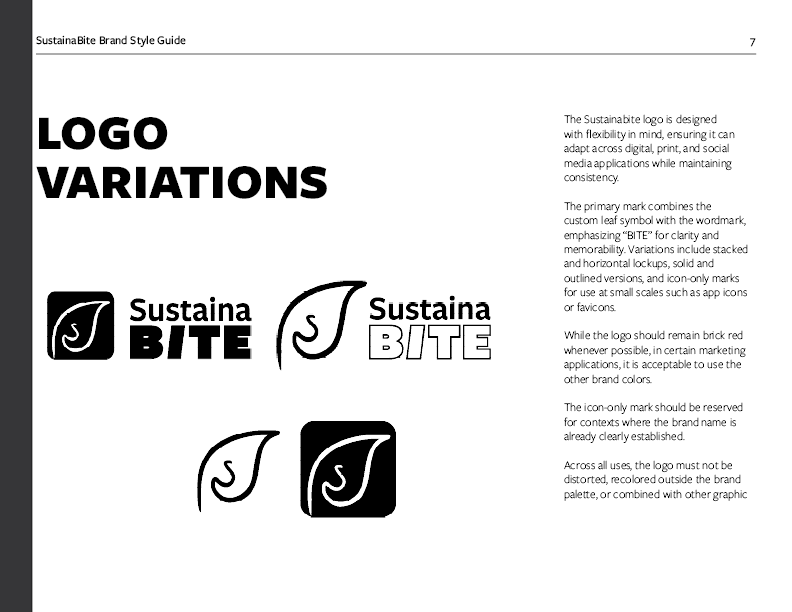
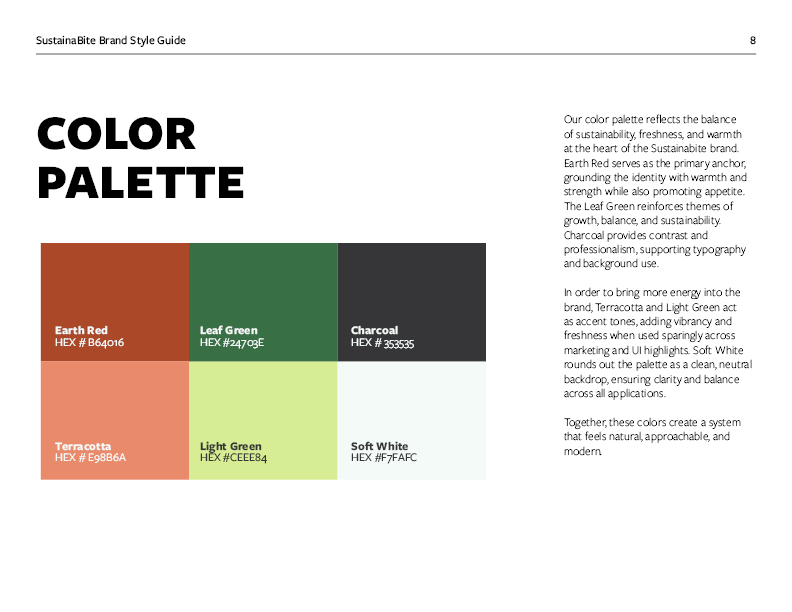
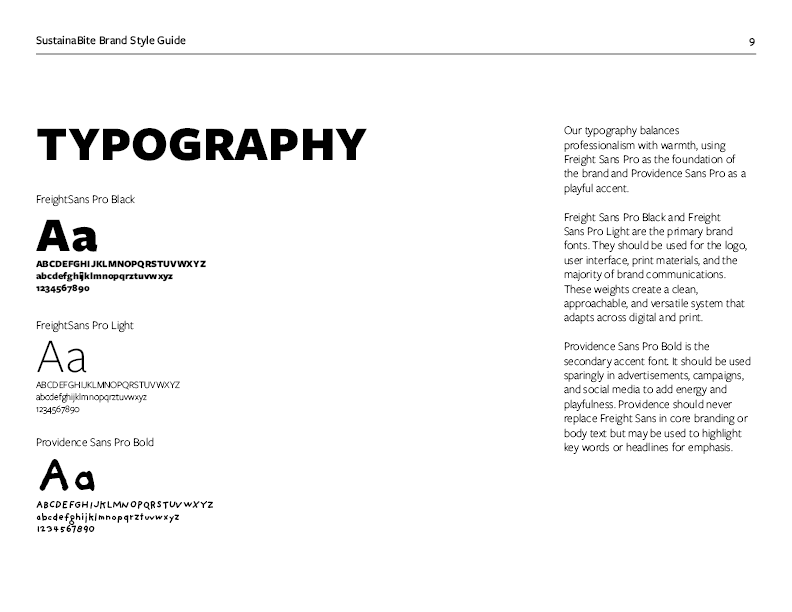
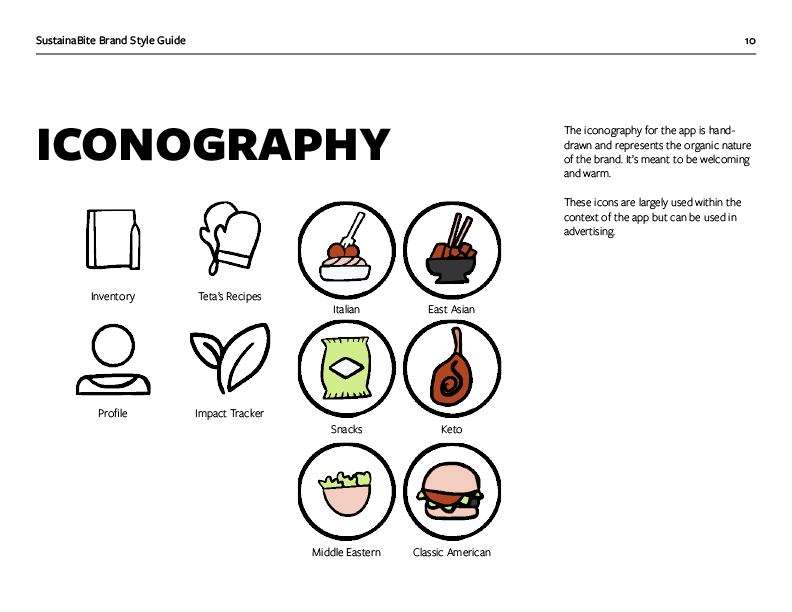
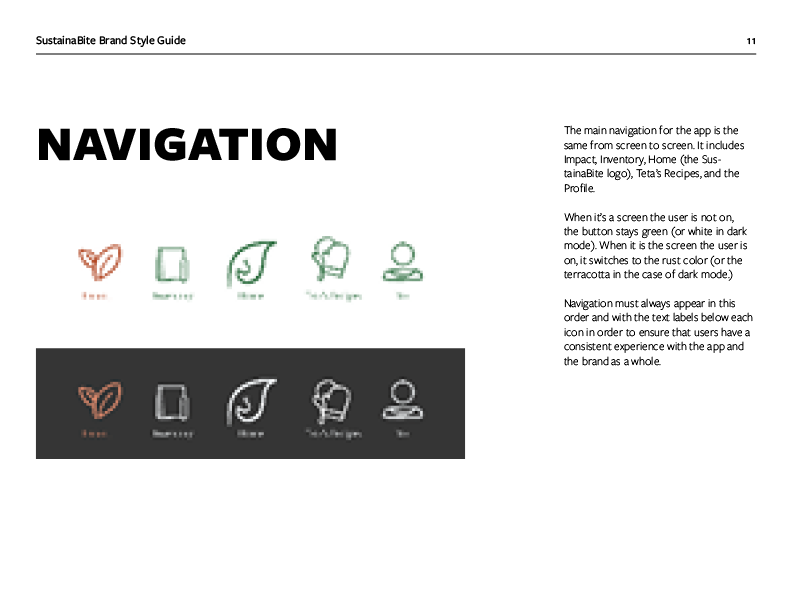
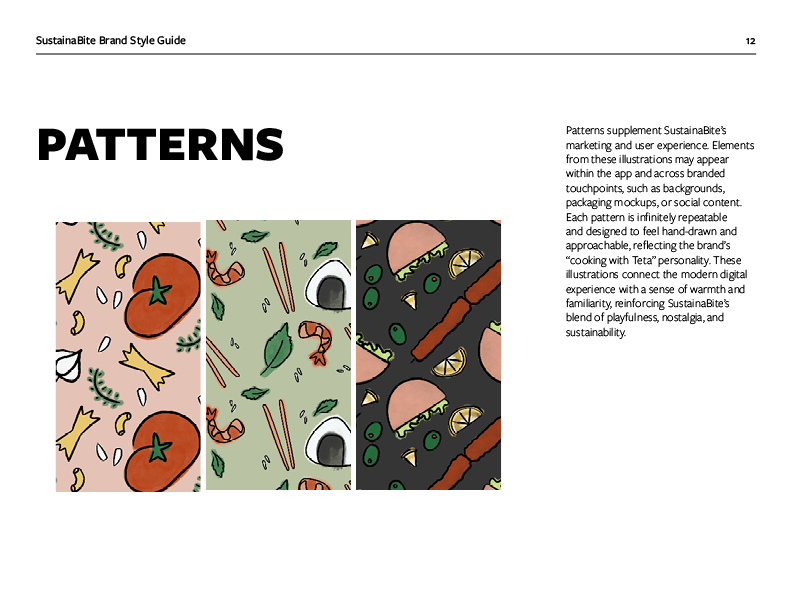
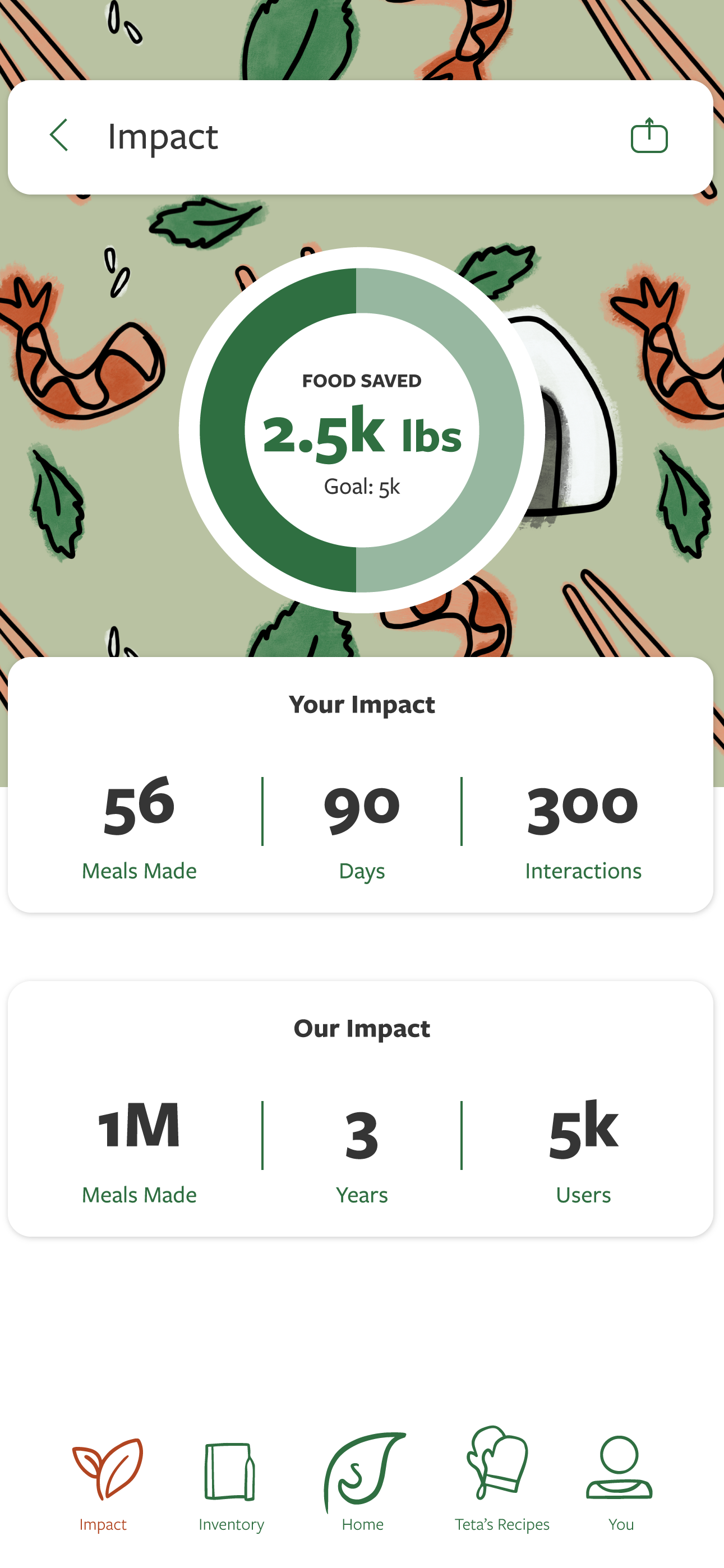
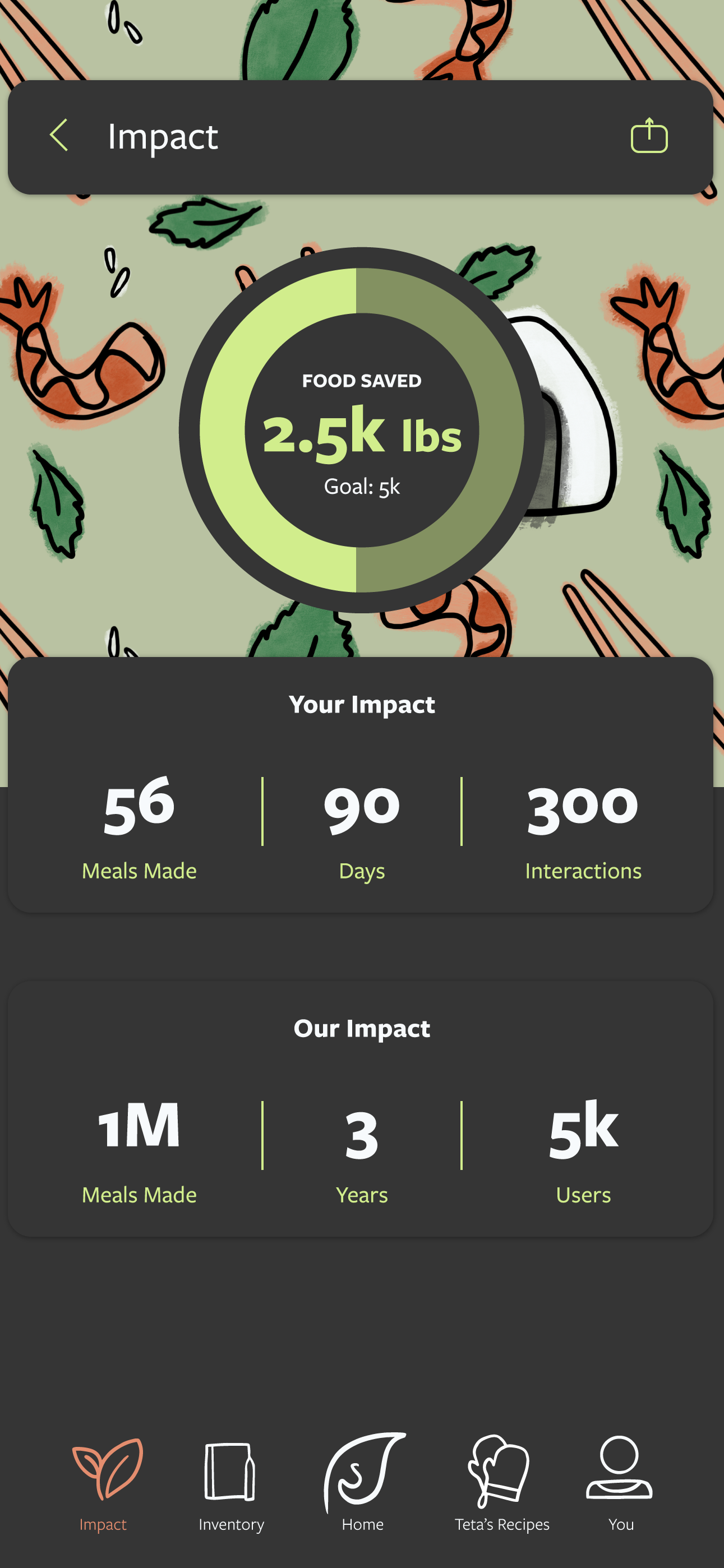
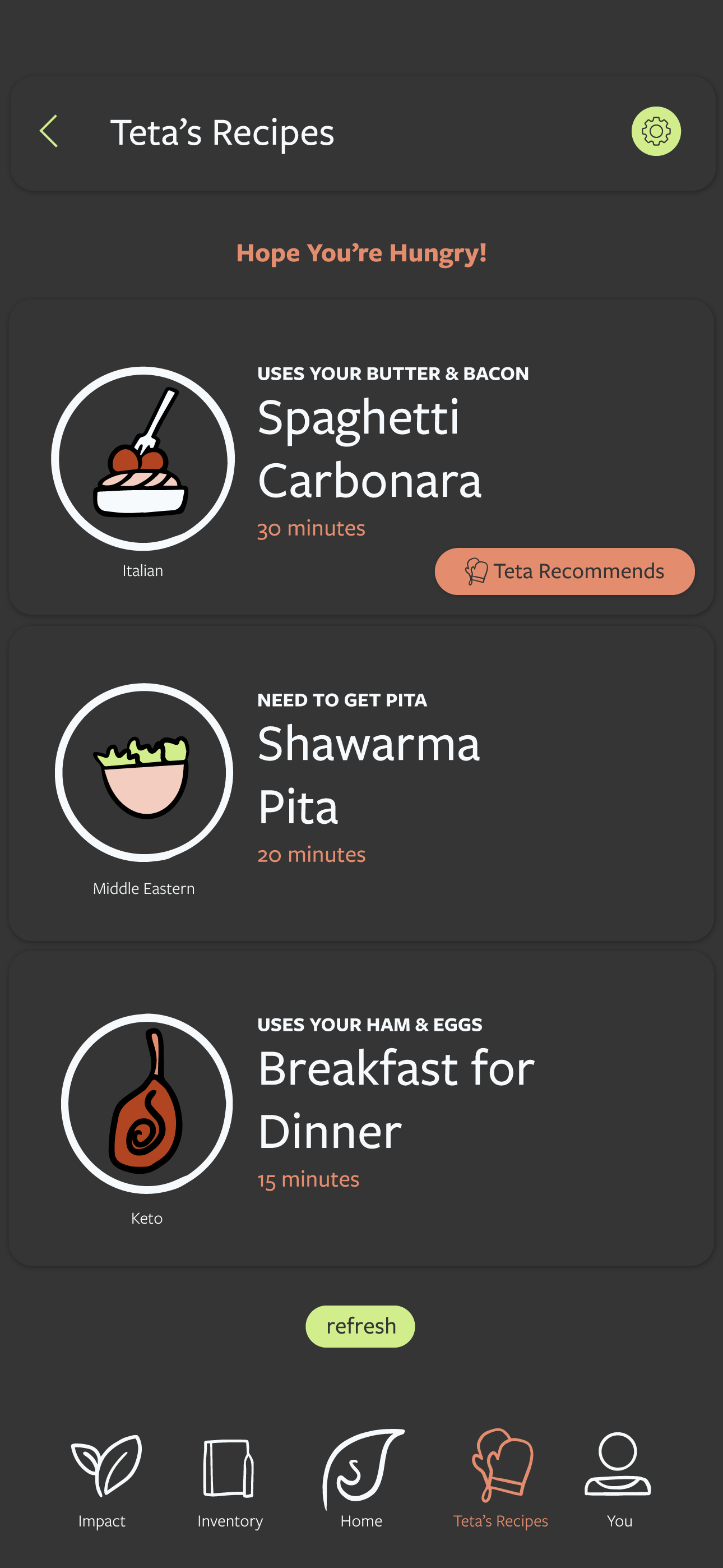
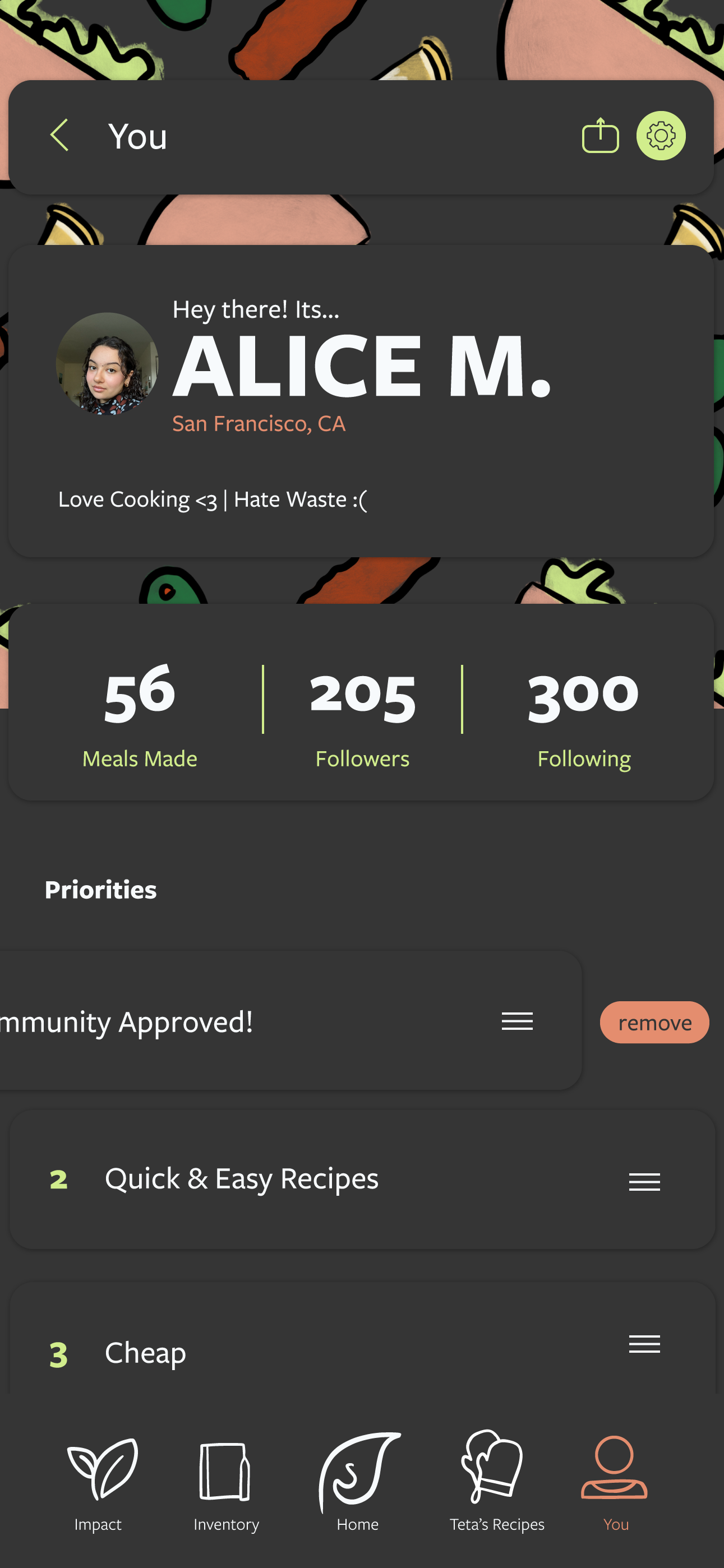
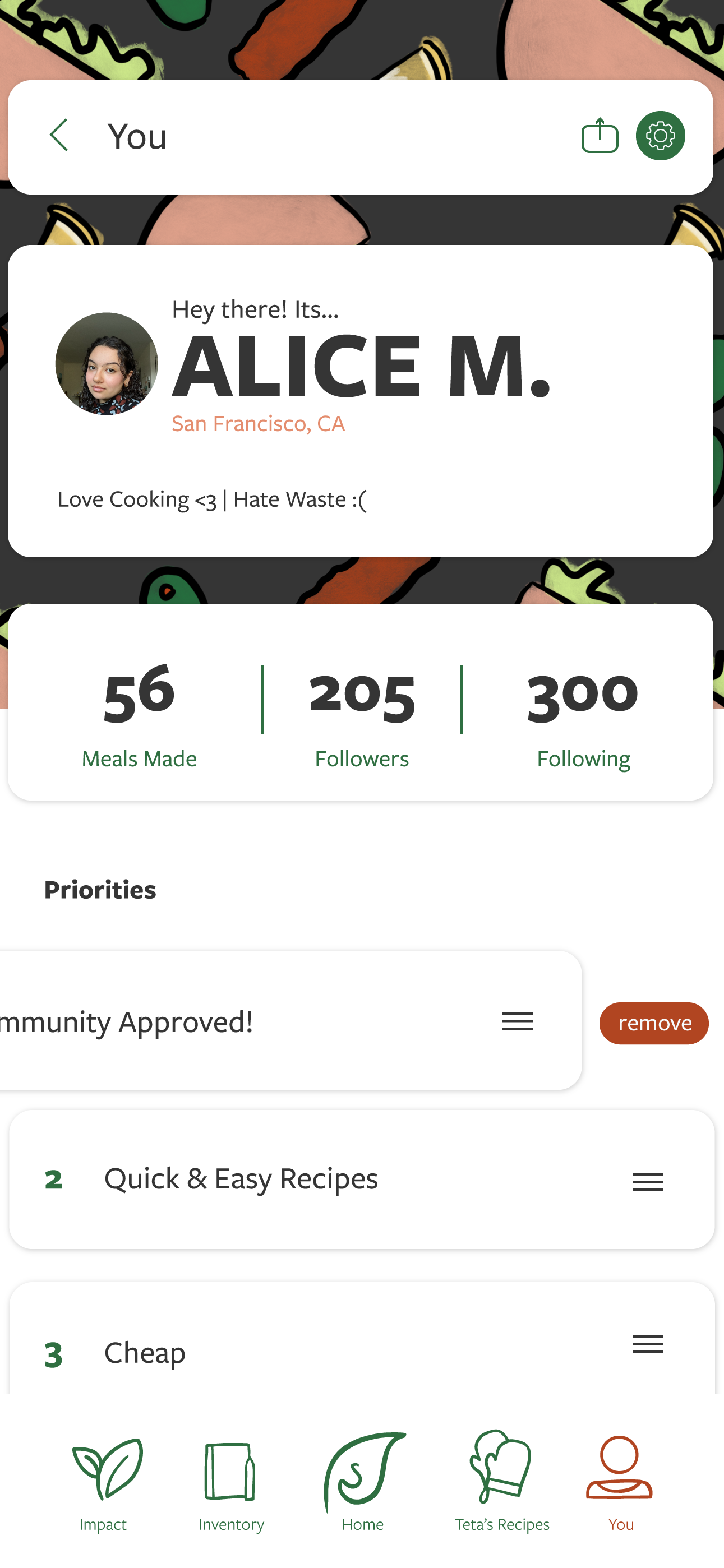
I designed the SustainaBite brand to be the foundation for the app’s identity. The style guide sets the tone and values, making sure everything feels consistent no matter where users interact with it. From my research and visual analysis of OLIO, it was clear that approachability is key—especially for sustainability. Studies show that when messaging feels moralistic or guilt-driven, people tend to tune out. That’s why I focused on making the brand positive, clear, and empowering, so users feel like they can actually make a difference.